

A Photography Contract Template helps photographers and clients document the terms of a photography service before an event or photo session. It can clarify the date, location, services, deliverables, fees, payment schedule, cancellation rules, image rights, and responsibilities of both parties.
What Is a Photography Contract?
A photography agreement is a written contract between a photographer and client for professional photography services. It may be used for weddings, birthdays, portraits, corporate events, product photography, family sessions, commercial shoots, and other assignments.
Why Is a Photography Contract Important?
Photography projects often involve expectations about style, hours, edited images, delivery dates, prints, albums, and image usage. A written agreement turns these expectations into specific terms. It protects the photographer from unclear scope or non-payment while giving the client a clear understanding of what has been purchased.
Key Clauses to Include
- Parties and event details: Names, contact information, event date, time, and location.
- Services: Coverage hours, number of photographers, shooting style, locations, and included services.
- Deliverables: Estimated number or type of edited images, albums, prints, galleries, or other products.
- Fees and payment: Package price, deposit or retainer, installment dates, taxes, and final payment.
- Cancellation and rescheduling: Notice requirements, refund rules, and procedures for postponements.
- Image rights and usage: Explain copyright, client usage, photographer portfolio use, commercial licensing, and restrictions where relevant.
- Privacy and model releases: Address consent and publication of identifiable images when applicable.
- Delivery: Expected editing and delivery timeframe and method.
- Force majeure and liability: Treatment of emergencies, illness, venue changes, equipment failure, or other events outside reasonable control.
- Disputes and termination: Governing law and procedures for resolving disagreements.
Photography Contract for Weddings and Events
Wedding and event photography agreements should be especially specific about arrival time, coverage duration, overtime, travel, second photographers, meals or breaks where applicable, requested shots, deliverables, editing, and delivery. Clear cancellation and rescheduling provisions are also important because event dates can change.
Copyright and Photo Usage
Copyright and licensing terms should not be left unclear. The agreement can explain whether the photographer retains copyright, what personal or commercial use the client receives, and whether images may be published in portfolios, advertising, social media, or other materials. The applicable legal rules vary by jurisdiction.
Things to Check Before Signing
Confirm the exact services, hours, total price, deposit, cancellation policy, delivery schedule, travel charges, editing expectations, and image-use rights. Both parties should understand what happens if the event is postponed or additional coverage is requested.
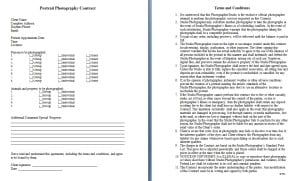
Free Photography Contract Template
The template below is a practical starting point for creating a photography service agreement. Customize it to match the assignment, client expectations, pricing, deliverables, and applicable law.
Download the photography contract template below and customize it for your event or photography service.

How to Use the Template
Enter the photographer and client details, event information, services, fees, payment schedule, deliverables, cancellation terms, and image rights. Add any special requirements as an attachment or schedule and have both parties review the final document before signing.
Before You Use a Photography Contract
Prepare the practical shoot details first: date, location, coverage hours, shot priorities, number or type of final images, editing level, delivery timeframe, file format, gallery access, print rights, and any travel or overtime. Separate the photographer’s copyright from the client’s permitted uses so both sides understand what can be done with the images.
Example: Define Image Usage Precisely
Instead of “client may use photographs,” state whether use includes personal printing, website publication, paid advertising, social media, resale, editing, or sublicensing. If commercial use has limits by territory, campaign, duration, or media, record them. Likewise, state whether the photographer may display selected images in a portfolio or promotional material.
Common Mistakes to Avoid
Avoid promising every photograph taken or leaving raw-file delivery assumed. Address cancellation, rescheduling, venue restrictions, late-running events, backup, archive duration, and delivery problems. If releases are needed for commercial use of people, property, artwork, or brands, do not assume the photography agreement alone supplies every permission.
Frequently Asked Questions
Why do photographers need contracts?
Contracts define services, payment, deliverables, image rights, cancellation rules, and responsibilities.
Can this template be used for wedding photography?
Yes. It can be adapted for weddings and other events by adding event-specific coverage and deliverable terms.
Who owns the copyright to photographs?
Copyright ownership depends on applicable law and the agreement. The contract should clearly state ownership and licensing rights.
Should a photography deposit be included?
If a deposit or retainer is required, the amount, due date, and refund or cancellation treatment should be documented.
Can overtime be charged?
Yes. The agreement can specify an overtime rate and the process for approving additional coverage.
Is this template legal advice?
No. It is a general drafting resource and should be customized for the transaction and applicable law.
Photography Contract: Practical Review Checklist
Before using or signing this document, review every blank field and clause against the actual transaction. Confirm the legal names of the parties, dates, payment or consideration, responsibilities, deadlines, approval requirements, termination rights, and signature details. Remove provisions that do not apply and add any project-specific terms that are important to the arrangement.
Customize the Agreement for the Actual Situation
A downloadable contract sample is most useful as a drafting starting point. Avoid leaving generic wording unchanged when the real arrangement has different deliverables, payment milestones, notice periods, ownership rights, or risk allocation. Attach schedules, specifications, price lists, or other supporting documents when they form part of the agreement.
Final Checks Before Signing
- Check names, addresses, dates, amounts, and defined terms for consistency.
- Make sure responsibilities and deliverables are specific enough to understand and verify.
- Confirm payment dates, milestones, late-payment terms, and any deposits.
- Review renewal, cancellation, breach, notice, and termination provisions.
- Make sure all referenced exhibits and attachments are included.
- Keep a completed copy signed by all relevant parties.
Usage Rights and Deliverables
Photography agreements should identify exactly what the photographer will deliver: number and type of images, editing level, file format, delivery method, expected turnaround, and whether raw files are included. Copyright ownership and the client’s license to print, publish, advertise, edit, or share images should be stated separately. If the photographer may use images in a portfolio, website, competition, or advertising, record the agreed permission and any restrictions.
Event Changes, Cancellations, and Releases
For event photography, address schedule changes, venue restrictions, travel, overtime, meal or break requirements, and what happens if the event is postponed or cancelled. Explain deposits and refunds clearly. When recognizable people, private property, artwork, or branded material will be used commercially, consider whether releases or other permissions are needed. The agreement can also address equipment failure, file backup, image retention periods, and the process for reporting delivery problems.
Recordkeeping and Practical Use
Keep the signed agreement together with every attachment, amendment, approval, invoice, notice, and other document that affects the parties’ obligations. Important communications should be recorded in a durable form rather than relying on memory. Before signing, compare the final document with the negotiated deal, confirm that blank spaces are completed or intentionally removed, and make sure each party receives the same final version. Templates provide structure, but the finished agreement should reflect the actual transaction and applicable law.
Legal Disclaimer
This Photography Contract Template is provided for general informational and drafting purposes and is not legal advice. Copyright, privacy, consumer, and contract laws vary by jurisdiction. Consider professional advice for important or complex arrangements.
