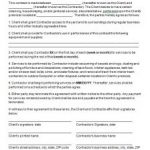
A Development Contract Template helps property owners, developers, and other parties document the scope, responsibilities, costs, schedule, approvals, and conditions connected with a development project. A clear written agreement can reduce misunderstandings and provide a practical reference throughout planning, construction, and completion.
What Is a Development Contract?
A development contract is an agreement that sets out the terms under which a developer will carry out a property or land development project. Depending on the project, it may cover construction, improvements, infrastructure, landscaping, access, public works, planning requirements, or other development obligations. The parties can use the agreement to define exactly what is being developed, who is responsible for each stage, and what standards must be met.
When Should You Use a Development Contract?
A development agreement is useful when a project involves substantial work, multiple stages, significant investment, or approvals from a property owner, local authority, investor, or other stakeholder. It can be used for commercial property development, residential projects, redevelopment, site improvements, mixed-use projects, and arrangements where a developer receives rights to develop property under specified conditions.
What Should a Development Contract Include?
- Parties and authority: Identify the property owner, developer, authority, or other contracting parties and confirm their legal capacity to sign.
- Property description: Include the address, legal description, boundaries, parcel information, and any relevant plans or drawings.
- Scope of development: Clearly describe the buildings, improvements, infrastructure, landscaping, services, or other work to be completed.
- Project phases and deadlines: Set milestones, commencement dates, completion targets, inspection requirements, and extension procedures.
- Costs and payments: State development costs, fees, financing responsibilities, payment schedules, deposits, reimbursements, or other consideration.
- Approvals and compliance: Identify permits, planning approvals, building requirements, environmental obligations, and other applicable rules.
- Changes and delays: Explain how variations, unforeseen conditions, force majeure events, and extensions will be handled.
- Default and termination: Define material breaches, notice requirements, remedies, and circumstances allowing termination.
- Dispute resolution: State the process for negotiation, mediation, arbitration, or court proceedings where appropriate.
Benefits of Using a Development Contract
A detailed agreement creates clarity before work begins. It can help allocate financial and operational responsibilities, establish measurable project milestones, document approvals and obligations, and provide a process for handling changes. For larger projects, having these points in writing can also make communication between owners, developers, contractors, consultants, and authorities more organized.
Things to Check Before Signing
Review the property description, development scope, payment terms, completion dates, approval obligations, insurance requirements, warranties, indemnities, default provisions, and termination rights carefully. Any drawings, schedules, specifications, or planning documents that form part of the deal should be identified clearly. Because property and development laws vary by jurisdiction, important projects should be reviewed by a qualified local professional before signing.
Free Development Contract Template
Use the template below as a starting point for organizing a development agreement. Customize the parties, property details, project scope, milestones, costs, approvals, and other terms so that the document reflects the actual transaction.
Get Free Development Contract Template:

Here is a link to download development contract template free from this site.

How to Use the Template
Download and edit the document in compatible word-processing software. Replace placeholders with accurate information, add project-specific schedules or clauses, and make sure all parties understand the final terms. Keep signed copies and supporting documents together for future reference.
Before You Use a Development Contract
Start by identifying what “development” means in the particular project: land development, property construction, software or product development, or another defined undertaking. The contract should match the actual project rather than use broad development language. Gather approved plans, specifications, milestone dates, budgets, permit responsibilities, acceptance standards, and the names of people authorized to approve changes.
Example: A Better Milestone
A milestone such as “Phase 1 complete” is difficult to verify. A stronger milestone identifies the deliverables and evidence of completion—for example, specified drawings delivered, required approval obtained, site work completed to the attached specification, or a functioning software module submitted for acceptance testing. Tie payments to objective events where practical.
Common Mistakes to Avoid
Do not leave change requests, acceptance testing, or responsibility for third-party approvals undefined. Development projects frequently evolve, so a written change process is essential. Also avoid treating an estimated completion date as if delays can never occur; explain which delays justify an extension and how notice must be given.
Frequently Asked Questions
Who uses a development contract?
Property owners, developers, authorities, investors, and other project stakeholders may use development agreements depending on the structure of the project.
Does a development contract cover construction?
It can. The agreement may define construction or improvement obligations, while a separate construction contract may govern the detailed relationship with a contractor.
Can the project schedule be changed?
Yes, if the contract includes a procedure for approved variations, extensions, delays, or unforeseen circumstances.
Should permits be mentioned?
Yes. The agreement should identify which party is responsible for obtaining and maintaining required permits and approvals.
Is this template legally binding by itself?
A template is a starting document. Its legal effect depends on the completed terms, applicable law, execution requirements, and the circumstances of the transaction.
Should a lawyer review a development contract?
For significant land or development transactions, professional legal review is strongly recommended, particularly where title, planning, financing, construction, or regulatory obligations are involved.
Development Contract: Practical Review Checklist
Before using or signing this document, review every blank field and clause against the actual transaction. Confirm the legal names of the parties, dates, payment or consideration, responsibilities, deadlines, approval requirements, termination rights, and signature details. Remove provisions that do not apply and add any project-specific terms that are important to the arrangement.
Customize the Agreement for the Actual Situation
A downloadable contract sample is most useful as a drafting starting point. Avoid leaving generic wording unchanged when the real arrangement has different deliverables, payment milestones, notice periods, ownership rights, or risk allocation. Attach schedules, specifications, price lists, or other supporting documents when they form part of the agreement.
Final Checks Before Signing
- Check names, addresses, dates, amounts, and defined terms for consistency.
- Make sure responsibilities and deliverables are specific enough to understand and verify.
- Confirm payment dates, milestones, late-payment terms, and any deposits.
- Review renewal, cancellation, breach, notice, and termination provisions.
- Make sure all referenced exhibits and attachments are included.
- Keep a completed copy signed by all relevant parties.
Defining Development Milestones
A development agreement becomes much easier to administer when the project is divided into measurable milestones. Describe the plans, approvals, site preparation, construction or development stages, inspection points, completion standards, and documents required at each stage. State who is responsible for obtaining permits and third-party approvals, who bears related costs, and what happens when an approval is delayed or refused.
Budget Changes, Delays, and Acceptance
Development projects frequently change after work begins. Include a written change procedure covering revised specifications, additional cost, schedule extensions, and approval authority. Define how completed work will be inspected and accepted, how defects or incomplete items will be recorded, and the time allowed for correction. For larger projects, attach drawings, specifications, milestone schedules, and payment tables so that important technical details are not left to informal conversations.
Recordkeeping and Practical Use
Keep the signed agreement together with every attachment, amendment, approval, invoice, notice, and other document that affects the parties’ obligations. Important communications should be recorded in a durable form rather than relying on memory. Before signing, compare the final document with the negotiated deal, confirm that blank spaces are completed or intentionally removed, and make sure each party receives the same final version. Templates provide structure, but the finished agreement should reflect the actual transaction and applicable law.
Legal Disclaimer
This Development Contract Template is provided for general informational and drafting purposes. It is not legal advice and may not satisfy the laws or requirements of every jurisdiction or project. Review and adapt the document with a qualified legal professional before relying on it for a specific transaction.