A Land Sale Contract Template helps buyers and sellers document the terms of a land or property transaction in a clear, organized format. It can be especially useful when the purchase price, installment payments, possession, title transfer, or other conditions need to be agreed in writing before the transaction is completed.
What Is a Land Sale Contract?
A land sale agreement is a contract between a seller and buyer concerning the sale of a specific parcel of land. It normally identifies the property, purchase price, payment arrangements, closing or transfer requirements, and responsibilities of both parties. In some arrangements, the seller finances the purchase and the buyer pays in installments; terminology and legal effects vary by jurisdiction.
When Should You Use a Land Sale Agreement?
A written agreement is appropriate whenever land is being sold and the parties need a record of their negotiated terms. It can be useful for residential plots, agricultural land, commercial property, vacant land, installment sales, and transactions where completion will occur after specified conditions are satisfied.
Key Information to Include
- Buyer and seller details: Full legal names, addresses, and contact information.
- Property identification: Address, parcel number, boundaries, title information, and legal description.
- Purchase price: Total consideration, currency, deposit, and balance due.
- Payment schedule: Installments, due dates, interest if applicable, late charges, and any final or balloon payment.
- Title and closing: Conditions for transfer of ownership, required documents, taxes, fees, and closing responsibilities.
- Possession: State when the buyer may take possession and under what conditions.
- Representations: Relevant statements concerning title, liens, encumbrances, disclosures, or authority to sell.
- Default and remedies: Notice requirements and consequences if either party fails to perform.
- Dispute resolution: Procedures for resolving disagreements and applicable governing law.
Land Sale Contract vs. Mortgage
In a conventional purchase, a buyer may obtain financing from a lender and the seller transfers title according to the closing arrangement. In a seller-financed or contract-for-deed arrangement, the seller may receive payments directly from the buyer over time. The legal treatment of title, possession, security, foreclosure, and default differs substantially between jurisdictions, so the exact structure should be reviewed locally.
Benefits of a Written Land Sale Contract
A detailed contract gives the parties a shared record of the property and financial terms. It can reduce disputes about payment dates, possession, closing responsibilities, and conditions of sale. It also helps identify documents and actions required before the transaction can be completed.
Things to Check Before Signing
Verify the legal description and ownership records, investigate liens or encumbrances, confirm zoning or land-use requirements where relevant, and understand all taxes, registration fees, financing terms, and payment obligations. Because real estate transactions are highly jurisdiction-specific, professional legal and title review is advisable.
Download Free Land Sale Contract Template
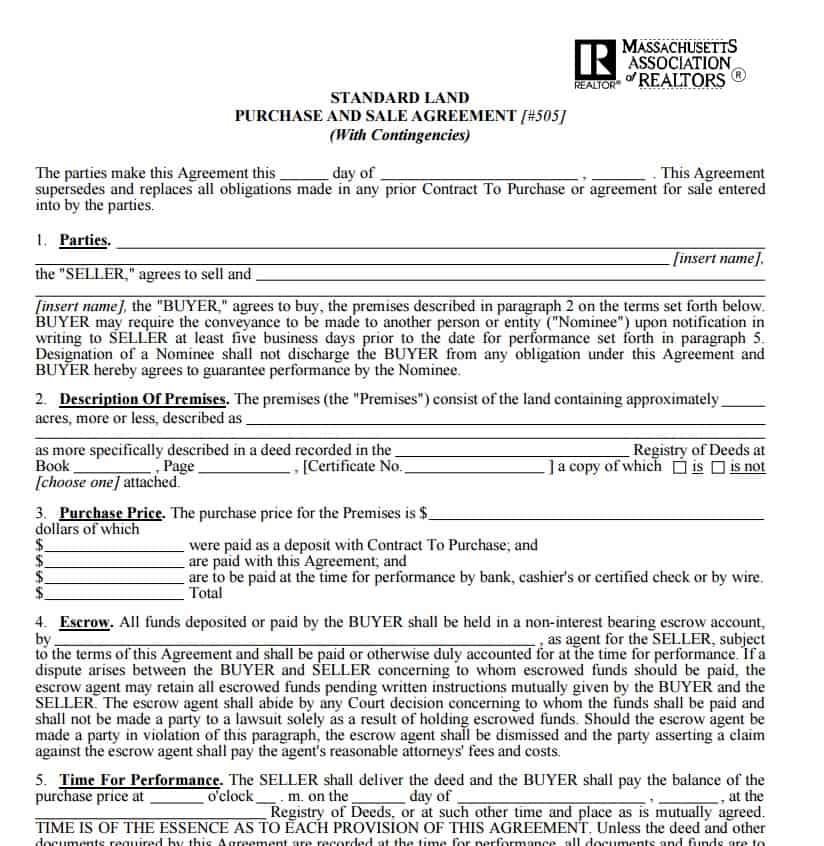
Use the template below as a starting point and customize it to the actual property and transaction. Add accurate property information, payment terms, closing conditions, and any required schedules before signing.
More about Land Sale Contract Template:
A land sale contract is commonly used when a buyer and seller agree to transfer land for an agreed purchase price. It may include the address or legal description of the property, purchase price, down payment, installment amounts, number of payments, and any final payment. The parties should understand that land sale rules differ between states and countries and that a contract should comply with applicable real estate requirements.

How to Use the Template
Download and edit the document, complete the buyer, seller, and property information, enter the negotiated financial terms, and add jurisdiction-specific provisions. Have the parties review the completed agreement and retain signed copies with the relevant property records.
Before You Use a Land Sale Contract
Collect the legal or official property description, title or parcel details, agreed price, deposit information, target closing date, and any known easements, access arrangements, restrictions, or included improvements. Buyers should identify the investigations they need before becoming unconditionally bound, such as title review, survey, zoning, utilities, access, environmental review, or financing.
Example: Make a Condition Time-Bound
Instead of stating that the sale is “subject to satisfactory title,” identify who conducts the review, the deadline, how objections are delivered, whether the seller has time to cure a problem, and what happens to the deposit if the issue is not resolved. The same approach can be used for financing, surveys, inspections, or government approvals.
Common Mistakes to Avoid
Do not rely on an informal property description or assume everyone agrees about boundaries and included rights. Avoid leaving possession, closing costs, taxes, deposit treatment, or pre-closing damage unaddressed. Land transactions can require jurisdiction-specific formalities, so the final document should be reviewed for local requirements.
Frequently Asked Questions
What is the purpose of a land sale contract?
It records the agreed terms for selling and purchasing a particular parcel of land.
Can land be purchased through installments?
Yes, the parties may agree to installment payments where permitted, but the legal structure and title arrangements should be clearly documented.
What property details are important?
The legal description, parcel or title information, location, and any relevant boundaries should be accurate.
Does the buyer receive title immediately?
Not necessarily. Title transfer depends on the transaction structure and applicable law.
Should a lawyer review the agreement?
For a significant real estate transaction, professional review is strongly recommended.
Is this template legal advice?
No. It is a general drafting resource and must be adapted to the transaction and applicable law.
Land Sale Contract: Practical Review Checklist
Before using or signing this document, review every blank field and clause against the actual transaction. Confirm the legal names of the parties, dates, payment or consideration, responsibilities, deadlines, approval requirements, termination rights, and signature details. Remove provisions that do not apply and add any project-specific terms that are important to the arrangement.
Customize the Agreement for the Actual Situation
A downloadable contract sample is most useful as a drafting starting point. Avoid leaving generic wording unchanged when the real arrangement has different deliverables, payment milestones, notice periods, ownership rights, or risk allocation. Attach schedules, specifications, price lists, or other supporting documents when they form part of the agreement.
Final Checks Before Signing
- Check names, addresses, dates, amounts, and defined terms for consistency.
- Make sure responsibilities and deliverables are specific enough to understand and verify.
- Confirm payment dates, milestones, late-payment terms, and any deposits.
- Review renewal, cancellation, breach, notice, and termination provisions.
- Make sure all referenced exhibits and attachments are included.
- Keep a completed copy signed by all relevant parties.
Property Details and Due Diligence
A land sale agreement should identify the property precisely rather than relying only on a street or informal description. Depending on the jurisdiction, relevant details can include parcel or title numbers, boundaries, acreage, fixtures, access rights, easements, and included improvements. Buyers commonly investigate title, zoning, access, utilities, taxes, restrictions, environmental conditions, and permitted use before closing.
Deposits, Conditions, and Closing
Document the purchase price, deposit, payment method, closing date, and the conditions that must be satisfied before completion. If the transaction depends on financing, title clearance, survey results, inspections, or government approval, state the applicable deadlines and consequences if a condition is not satisfied. The agreement should also allocate closing costs and taxes, identify documents to be delivered, and explain when possession and risk transfer from seller to buyer.
Recordkeeping and Practical Use
Keep the signed agreement together with every attachment, amendment, approval, invoice, notice, and other document that affects the parties’ obligations. Important communications should be recorded in a durable form rather than relying on memory. Before signing, compare the final document with the negotiated deal, confirm that blank spaces are completed or intentionally removed, and make sure each party receives the same final version. Templates provide structure, but the finished agreement should reflect the actual transaction and applicable law.
Legal Disclaimer
This Land Sale Contract Template is provided for general informational and drafting purposes and is not legal advice. Real estate laws, registration requirements, taxes, and title rules vary by jurisdiction. Obtain qualified professional advice before using the document for a specific property transaction.