A Consulting Contract Template helps a consultant and client document the services, deliverables, fees, deadlines, responsibilities, and protections that apply to a consulting engagement. It can be adapted for business, management, marketing, technology, financial, HR, engineering, or other professional consulting services.
What Is a Consulting Contract?
A consulting agreement is a contract under which a consultant provides specialized knowledge or professional services to a client. The agreement should describe the actual engagement clearly so both parties understand what will be delivered and how the relationship will operate.
When Should You Use a Consulting Agreement?
Use a written consulting contract for one-time projects, ongoing advisory services, retainers, specialist assignments, or engagements involving confidential information or valuable intellectual property.
Key Clauses in a Consulting Contract
- Parties and services: Identify the client and consultant and describe the scope of services.
- Deliverables: Define reports, designs, software, recommendations, meetings, or other outputs.
- Fees and expenses: State fixed fees, hourly rates, retainers, invoicing, taxes, and approved expenses.
- Schedule: Include milestones, deadlines, meetings, and reporting frequency where relevant.
- Client responsibilities: Explain information, access, approvals, personnel, or resources the client must provide.
- Confidentiality: Protect business records, customer information, trade secrets, and other sensitive information.
- Intellectual property: Clarify ownership and licensing of pre-existing and newly created work.
- Independent contractor status: Describe the intended relationship accurately, subject to applicable law.
- Warranties and liability: State appropriate standards, limitations, insurance, or indemnity provisions.
- Termination and disputes: Set notice, final payment, handover, governing law, and dispute procedures.
Benefits of a Written Consulting Agreement
A clear contract prevents uncertainty about what the consultant is being hired to do, how fees are calculated, when deliverables are due, and who owns work product. It also provides a process for handling scope changes and ending the engagement.
How to Avoid Scope Creep
Describe the services and exclusions in enough detail that additional requests can be identified. A change-order or written approval process can specify the additional fee and time required when the client requests work outside the original scope.
Free Consulting Contract Template
The template below is a practical starting point. Customize the parties, scope, deliverables, payment structure, confidentiality, intellectual-property provisions, and termination terms for the actual engagement.
Download Consulting Contract Template:
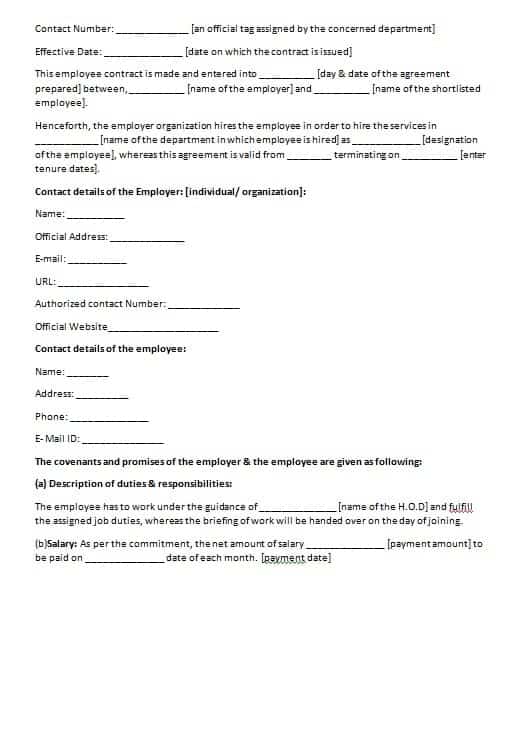
Free consulting contract template available here for download

How to Use the Template
- Enter the legal names and contact details.
- Describe the consulting services and specific deliverables.
- Add fees, billing dates, expenses, milestones, and payment terms.
- Customize confidentiality, intellectual property, liability, and insurance provisions.
- Add termination and dispute-resolution terms.
- Review the final agreement and sign it before the engagement begins.
Frequently Asked Questions
Should a consultant have a written contract?
Yes. A written agreement makes the scope, payment, deliverables, and responsibilities easier to understand and enforce.
Can consulting work be billed hourly?
Yes. Consulting agreements may use hourly rates, fixed fees, retainers, milestones, or other pricing structures.
Who owns consulting work product?
Ownership depends on the agreement and applicable law. Intellectual-property rights should be addressed expressly.
Can the scope of consulting services change?
Yes. Use written change approvals to document additional services, fees, and deadlines.
Is this template legal advice?
No. It is a general drafting resource and should be adapted to the specific engagement and jurisdiction.
Legal Disclaimer
This Consulting Contract Template is provided for general informational and drafting purposes only and is not legal advice. Customize the document for the actual services, business relationship, and applicable law.