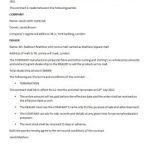
Contracts play a major role in modern business and personal transactions. Whether you are hiring a freelancer, starting a partnership, buying property, offering services, or entering into a dealership agreement, contracts provide legal protection and clarity for everyone involved.
A contract is much more than a simple written document. It is a legally enforceable agreement that establishes rights, responsibilities, expectations, and remedies in case of disputes. Without contracts, businesses and individuals would face uncertainty, misunderstandings, financial losses, and legal complications.
In this article, we will explain the significance of contracts, why they are important, how they protect parties, the essential elements of a valid contract, and common mistakes people make when drafting agreements.
What Is a Contract?
A contract is a legally binding agreement between two or more parties in which each party agrees to perform specific obligations in exchange for something valuable, known as consideration.
Contracts may be:
- Written
- Verbal
- Implied through conduct
However, written contracts are strongly recommended because they provide clear evidence of agreed terms and conditions. According to legal experts, written agreements reduce misunderstandings and improve enforceability.
Contracts are used in almost every area of life, including:
- Employment
- Real estate
- Construction
- Freelancing
- Business partnerships
- Supplier agreements
- Service agreements
- Loans
- Dealerships
- Technology services
Why Contracts Are Important
The significance of contracts lies in the protection and structure they provide. A properly drafted contract establishes trust, accountability, and legal security.
1. Contracts Create Legal Protection
One of the biggest advantages of contracts is legal protection.
A contract clearly defines:
- Duties of each party
- Payment obligations
- Deadlines
- Performance standards
- Remedies for breach
If one party fails to fulfill their obligations, the other party can seek legal remedies such as compensation or enforcement.
Without a contract, proving promises or obligations becomes much more difficult.
2. Contracts Reduce Misunderstandings
Miscommunication is one of the most common causes of disputes in business relationships.
A written contract removes confusion by clearly documenting:
- What work will be done
- When it will be completed
- How much will be paid
- Who owns intellectual property
- How disputes will be resolved
Clear documentation helps both parties stay aligned.
According to business agreement guides, defining the scope of work is one of the most critical parts of any contract.
The Role of Contracts in Business
Contracts are considered the backbone of commercial activities.
Business Stability
Businesses rely on contracts to maintain stable relationships with:
- Suppliers
- Dealers
- Customers
- Employees
- Investors
- Contractors
Without contractual agreements, businesses would face operational uncertainty.
Financial Security
Contracts establish financial expectations such as:
- Payment schedules
- Pricing
- Penalties
- Interest on overdue payments
- Refund terms
For example, supply agreements and service contracts often define recurring payment structures and delivery obligations.
Risk Management
Contracts help manage risks by including clauses related to:
- Liability limitations
- Confidentiality
- Insurance
- Indemnification
- Termination rights
These clauses protect businesses from financial and legal exposure.
Essential Elements of a Valid Contract
A contract must contain certain legal elements to become enforceable.
Offer
One party must make a clear proposal or promise.
Example:
A company offers to supply 100 solar panels monthly at a fixed price.
Acceptance
The other party must agree to the offered terms.
Acceptance should be clear and unconditional.
Consideration
Both parties must exchange something valuable.
This could include:
- Money
- Services
- Products
- Promises
Legal resources emphasize that consideration is one of the most important requirements for a valid contract.
Legal Capacity
Parties entering a contract must:
- Be of legal age
- Be mentally competent
- Have legal authority
Lawful Purpose
The agreement must involve legal activities.
Contracts involving illegal activities are unenforceable.
Significance of Written Contracts
Although verbal agreements can sometimes be legally valid, written contracts offer major advantages.
Written Contracts Provide Evidence
A written document can be used in court if disputes arise.
It acts as proof of:
- Terms
- Obligations
- Signatures
- Dates
- Conditions
Easier Enforcement
Courts generally prefer written evidence when resolving disputes.
Written agreements reduce “he said, she said” conflicts.
Better Professionalism
Businesses that use written contracts appear more organized and trustworthy.
Professional agreements improve credibility with:
- Clients
- Suppliers
- Investors
- Partners
Types of Contracts Commonly Used
Contracts exist in many forms depending on the purpose.
Service Contracts
Used when one party provides services to another.
Examples:
- Consulting agreements
- Cleaning contracts
- Freelance contracts
Supply Contracts
Used for recurring supply of goods or materials.
These agreements define:
- Delivery schedules
- Pricing
- Quality requirements
Employment Contracts
Define employer and employee responsibilities.
Partnership Agreements
Used when businesses collaborate or share profits.
Loan Contracts
Used when money is borrowed and repayment terms must be documented.
Joint Venture Agreements
Used when companies work together on a specific project or business objective.
How Contracts Help Prevent Disputes
Disputes usually happen because expectations are unclear.
Contracts reduce conflict by defining:
- Responsibilities
- Timelines
- Payment terms
- Ownership rights
- Exit conditions
When issues occur, parties can refer to the written agreement rather than relying on memory or verbal discussions.
Importance of Confidentiality Clauses
Businesses often share sensitive information during partnerships.
Confidentiality clauses protect:
- Trade secrets
- Pricing information
- Customer data
- Business strategies
- Intellectual property
Many B2B contracts include Non-Disclosure Agreements (NDAs) to prevent unauthorized disclosure.
Intellectual Property Protection Through Contracts
Contracts are extremely important for protecting intellectual property.
They help determine ownership of:
- Logos
- Software
- Designs
- Content
- Marketing materials
- Product concepts
Without proper IP clauses, disputes over ownership can become costly.
Termination Clauses and Their Importance
A good contract should explain how the agreement can end.
Termination clauses may include:
- Notice periods
- Breach conditions
- Payment settlement rules
- Return of confidential information
- Post-termination obligations
Contracts without termination terms often create serious legal complications.
Common Contract Mistakes to Avoid
Many individuals and businesses make mistakes while drafting agreements.
Using Generic Templates Without Modification
Templates should always be customized according to the specific situation.
Ignoring Local Laws
A contract written for another country may not comply with local regulations.
Vague Language
Unclear wording leads to disputes and confusion.
Missing Payment Terms
Payment structure should always be clearly defined.
No Dispute Resolution Clause
Contracts should specify how disputes will be handled.
Why Small Businesses Need Contracts
Some small businesses avoid contracts because they believe trust is enough.
This is risky.
Even small projects can lead to disagreements over:
- Scope of work
- Payments
- Deadlines
- Ownership rights
Contracts protect both parties regardless of business size.
In fact, using contracts often strengthens business relationships because expectations become transparent.
Digital Contracts and Modern Business
Technology has changed how contracts are created and signed.
Today, many businesses use:
- Electronic signatures
- Digital agreements
- Cloud-based contract management systems
Digital contracts are widely accepted in many jurisdictions and improve efficiency.
Benefits of Using Contract Templates
Contract templates save time and provide structure.
Benefits include:
- Faster drafting
- Reduced legal costs
- Professional formatting
- Consistent clauses
- Improved organization
However, important agreements should still be reviewed by a legal professional.
Final Thoughts
The significance of contracts cannot be ignored in today’s business and legal environment. Contracts create structure, reduce misunderstandings, provide legal protection, and establish clear expectations between parties.
Whether you are running a small business, managing suppliers, hiring freelancers, or entering a partnership, contracts help protect your interests and minimize risks.
A carefully written contract is not just a legal formality — it is a powerful tool for building professional, secure, and successful relationships.
Businesses and individuals who use proper agreements are generally better prepared to handle disputes, maintain trust, and operate with confidence.
Frequently Asked Questions (FAQs)
Why are contracts important in business?
Contracts establish legal obligations, clarify expectations, reduce disputes, and protect the rights of all parties involved.
What makes a contract legally valid?
A valid contract generally requires offer, acceptance, consideration, legal capacity, and lawful purpose.
Are verbal contracts enforceable?
Some verbal contracts may be enforceable, but written contracts provide stronger legal evidence and better protection.
What is consideration in a contract?
Consideration refers to something valuable exchanged between parties, such as money, services, or goods.
Why should contracts be in writing?
Written contracts provide clarity, reduce misunderstandings, and serve as legal evidence if disputes arise.
What happens if someone breaches a contract?
The affected party may seek remedies such as financial compensation, contract enforcement, or termination.
Do small businesses need contracts?
Yes. Small businesses benefit greatly from contracts because they help avoid disputes and clarify responsibilities.
What is a termination clause?
A termination clause explains how and when a contract may be ended by either party.
Can contract templates be used legally?
Yes, but templates should be customized according to the specific agreement and local laws.
What industries commonly use contracts?
Almost every industry uses contracts, including construction, technology, real estate, manufacturing, freelancing, and finance.