Investment Contract Templates help investors, founders, companies, and other parties document the terms of a financial investment. An investment agreement can define the amount invested, the form of investment, ownership or repayment rights, investor protections, company obligations, and conditions for ending or transferring the investment.
What Is an Investment Contract?
An investment contract is a written agreement that records the terms under which one party provides money or other value in expectation of a financial or ownership interest. Depending on the transaction, the investment may be structured as equity, debt, a convertible instrument, or another legally recognized arrangement.
Common Investment Contract Types
- Share Subscription Agreement: Documents an investor’s purchase of newly issued company shares.
- SAFE: A startup financing instrument providing future equity rights under defined conditions.
- Convertible Note: Debt that may convert into equity when specified events occur.
- Loan or Investment Agreement: Documents funds advanced with repayment and interest terms.
- Joint Venture Agreement: Sets out contributions, ownership, management, profits, and responsibilities for a business venture.
Key Clauses in an Investment Agreement
- Investment amount and consideration: State the amount contributed and exactly what the investor receives.
- Valuation and ownership: Where applicable, document the valuation, share price, percentage ownership, or conversion formula.
- Representations and warranties: Record important statements about authority, ownership, financial information, liabilities, and other material facts.
- Investor rights: Address information, voting, board, pre-emption, liquidation, or other negotiated rights.
- Company covenants: Identify actions the company must take or may not take without consent.
- Use of funds: Explain permitted purposes for invested capital when appropriate.
- Dilution and future financing: Address how later funding rounds may affect ownership or conversion.
- Exit and transfer: Define sale, redemption, transfer, conversion, or other exit provisions where relevant.
- Default and remedies: Explain consequences of material breaches or failure to perform.
- Governing law and disputes: Identify applicable law and dispute-resolution procedures.
Equity vs. Debt Investment
With an equity investment, the investor generally receives an ownership interest and participates according to the rights attached to that interest. With debt, the investor acts as a lender and the agreement normally specifies repayment and interest. Convertible instruments can combine characteristics of both. The legal and financial consequences depend on the structure and jurisdiction.
What to Check Before Signing
Review the investment amount, valuation, ownership or repayment rights, fees, voting rights, information rights, restrictions, dilution provisions, warranties, tax consequences, and exit terms. Investors should also consider due diligence, while companies should ensure they have authority to issue securities or accept the proposed financing.
Free Investment Contract Templates
The templates below provide examples that can help you understand common investment-document structures. Select the format that best matches your needs and customize all material terms before signing.
Download Investment Contract Templates:
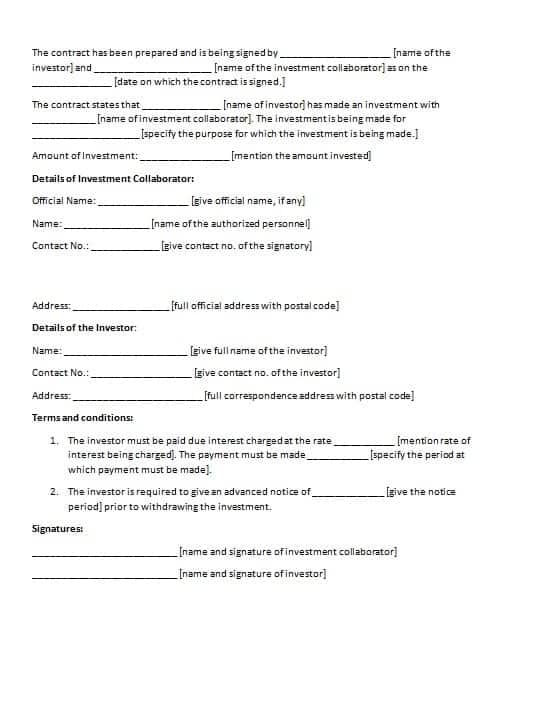
Here is a free investment contract template for you

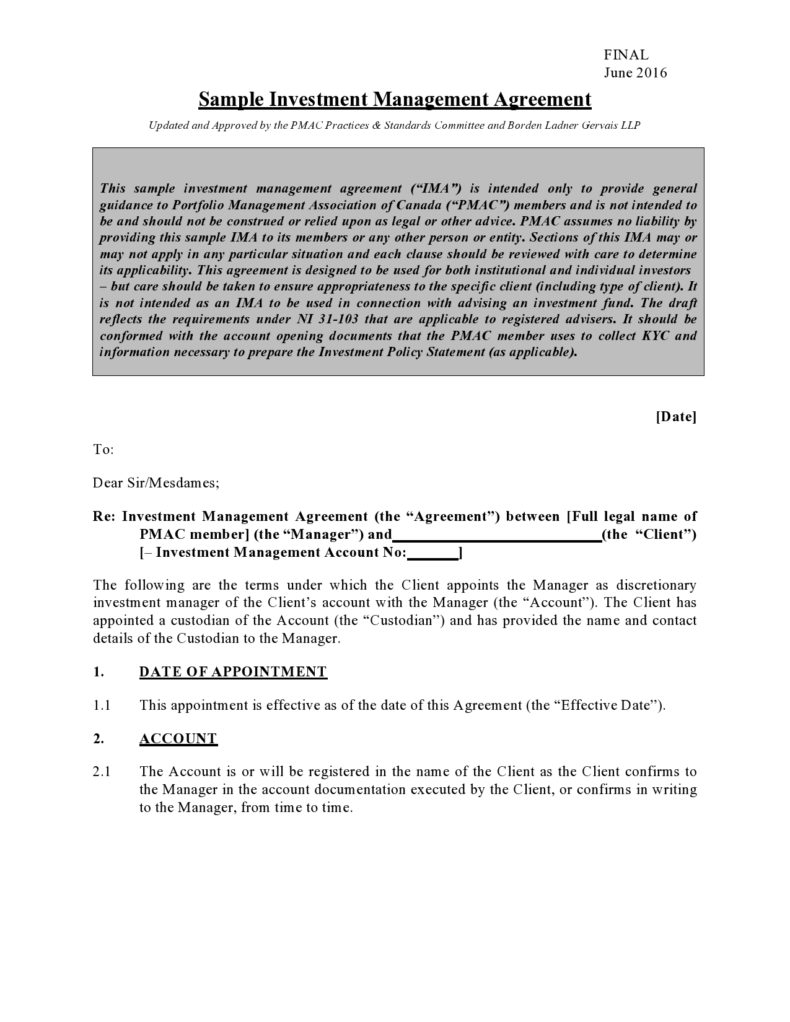
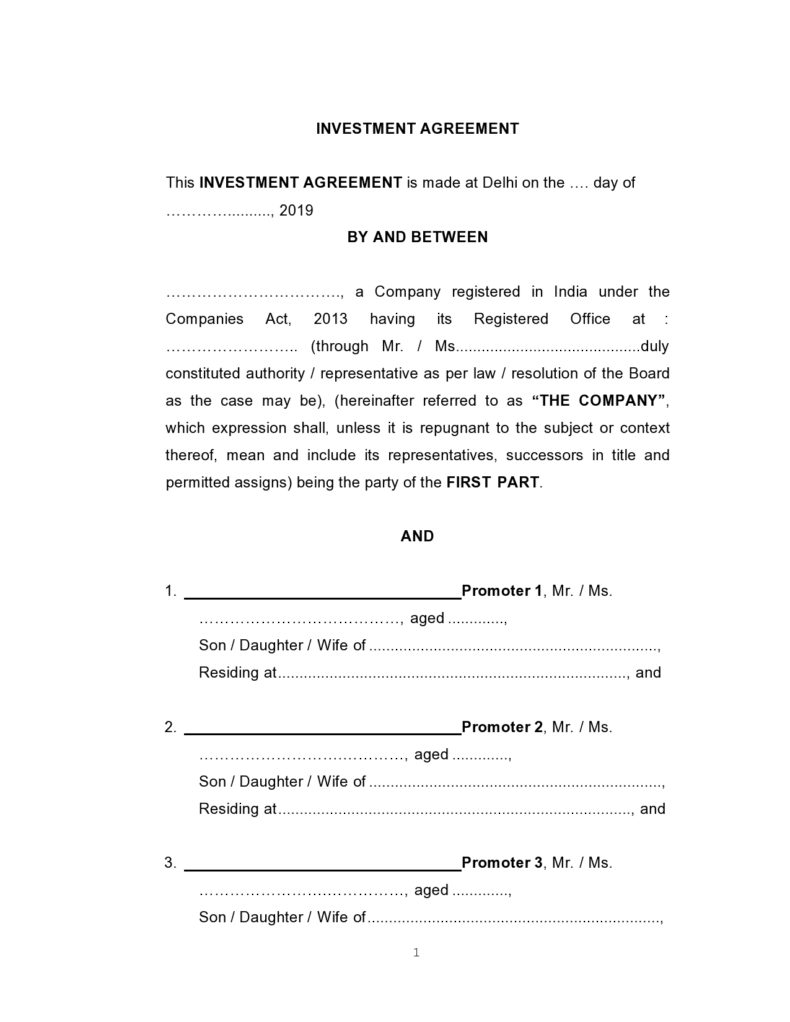
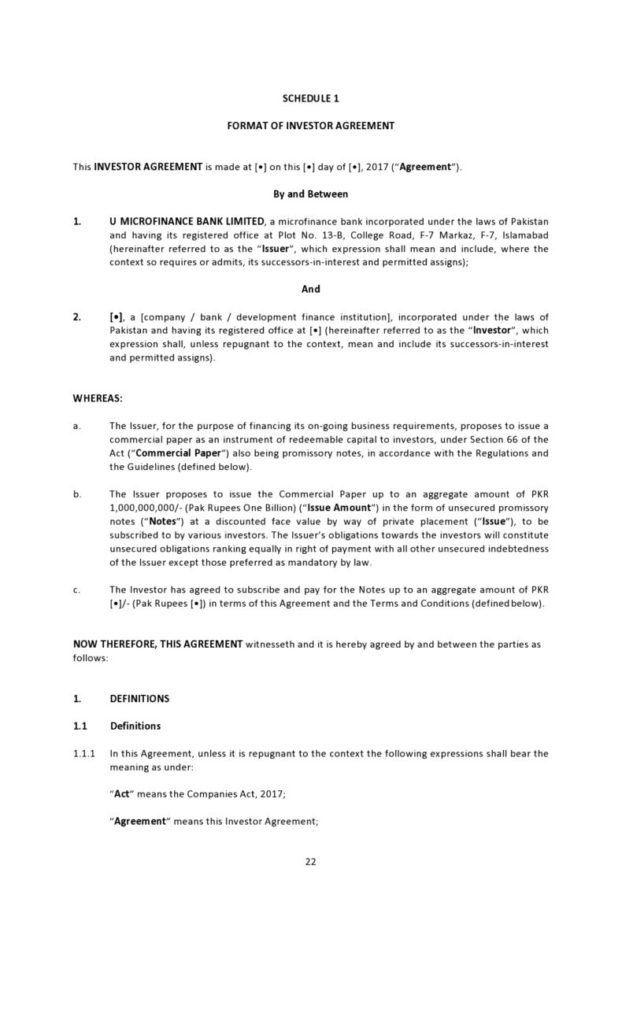
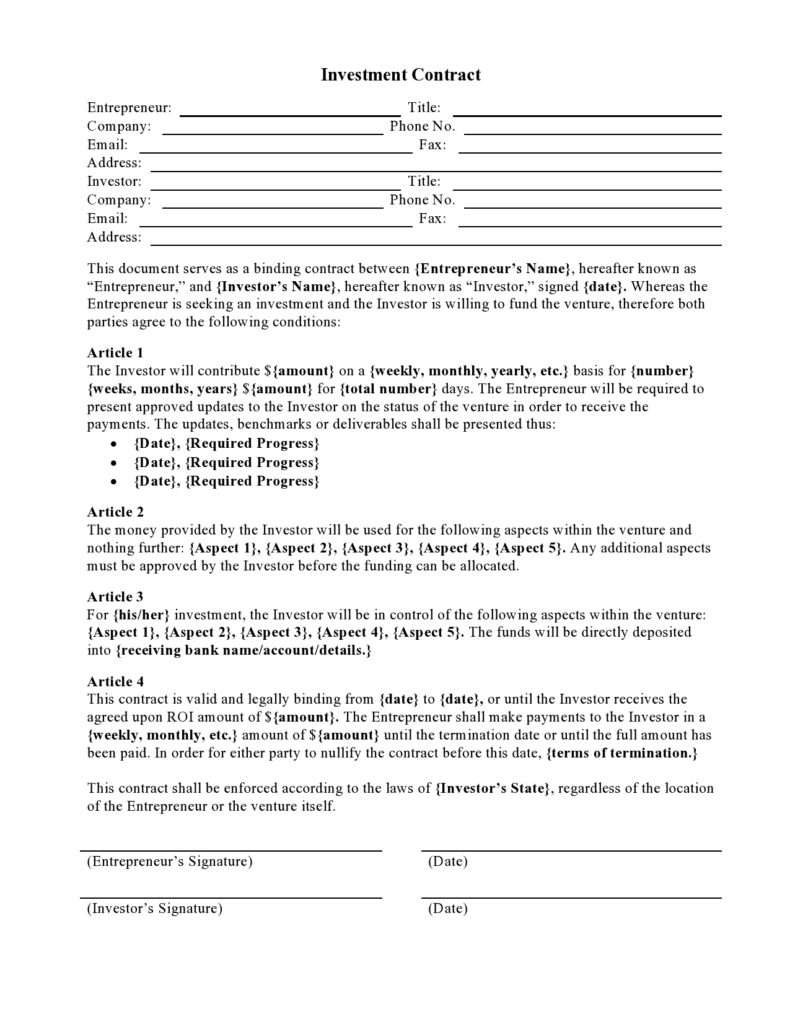
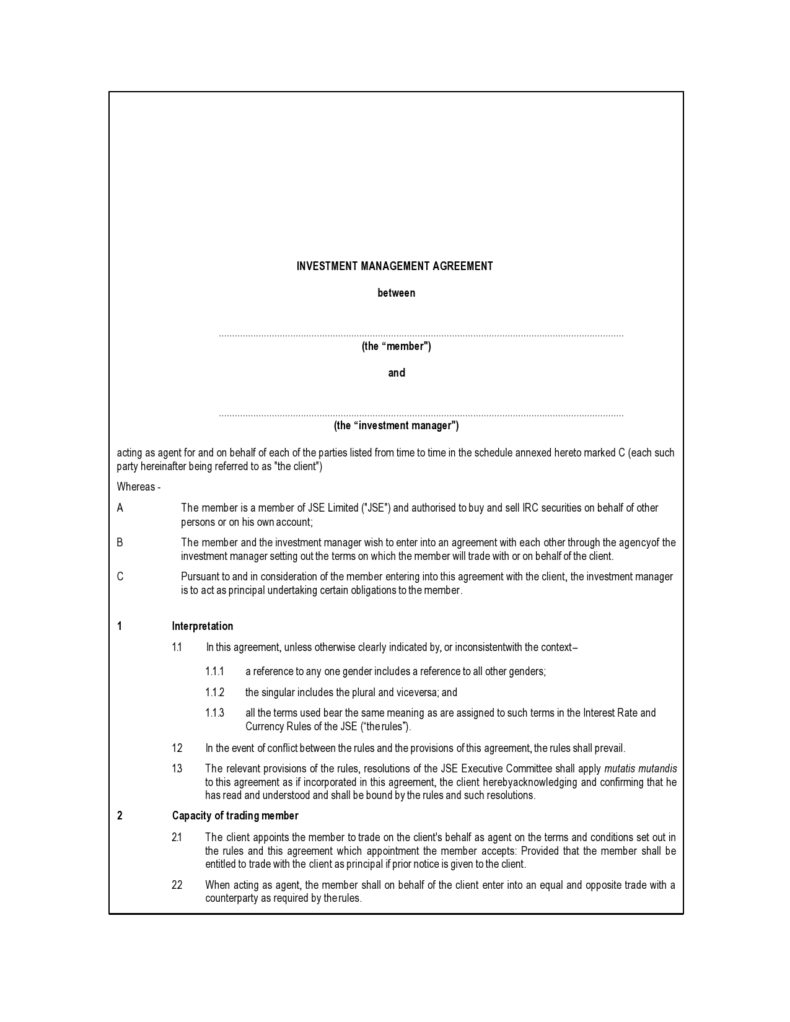
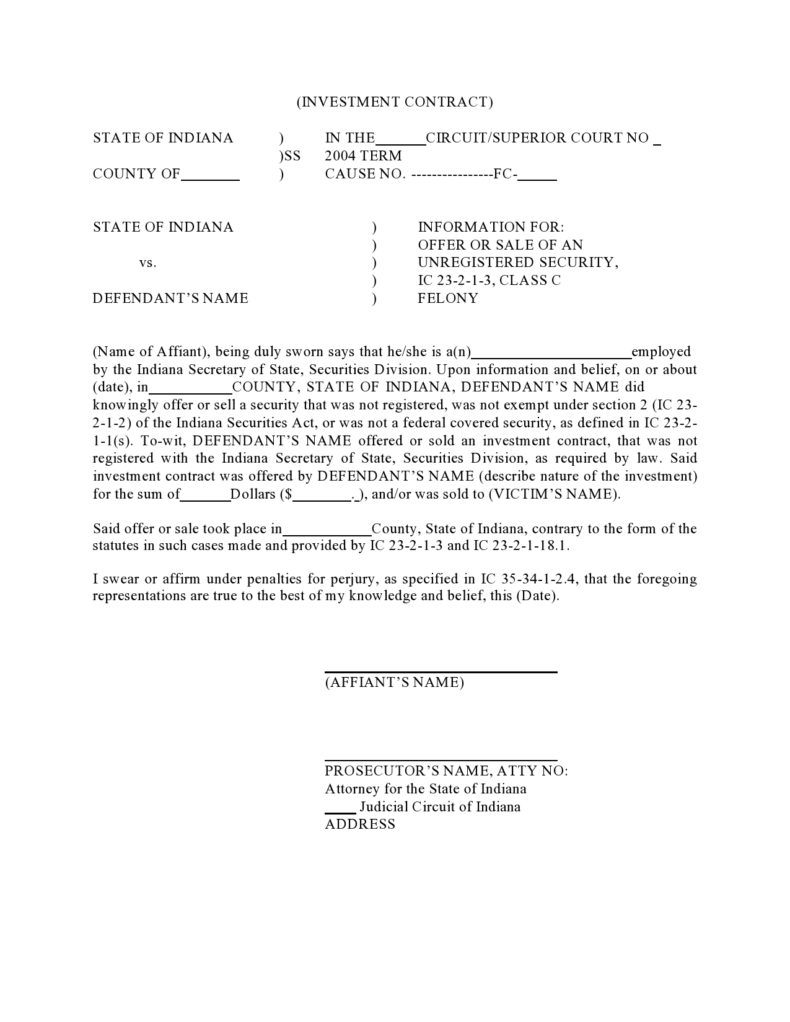
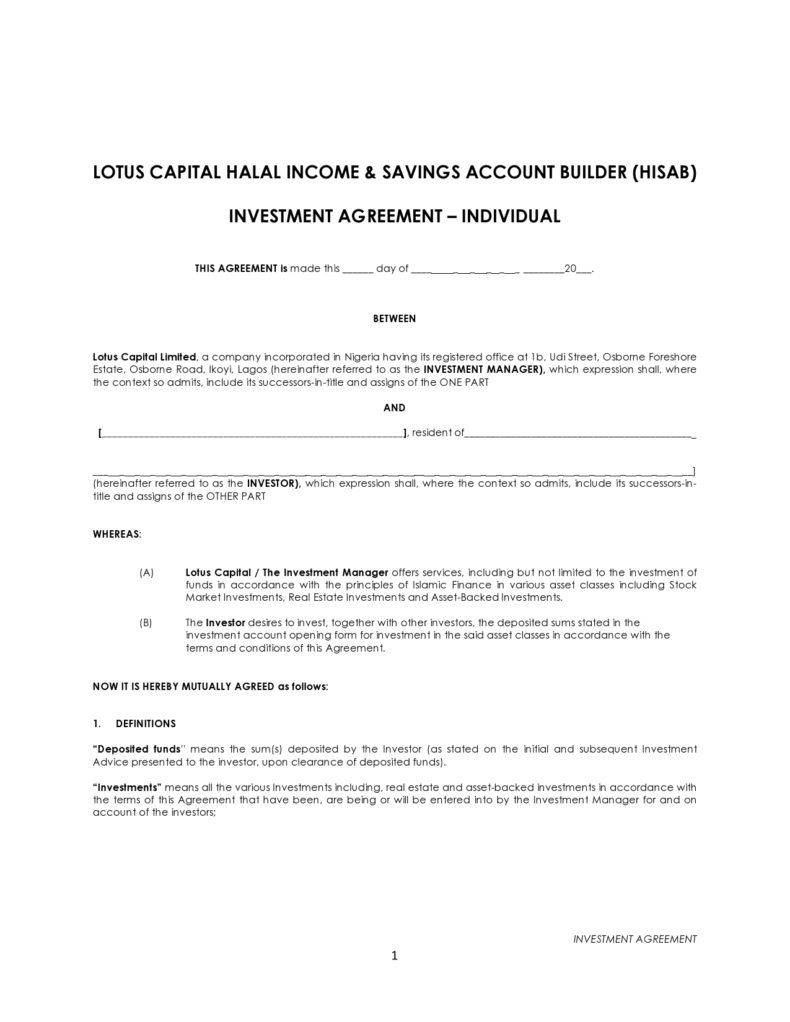
How to Use the Templates
- Choose the investment structure that matches the transaction.
- Enter the parties, investment amount, dates, and business details.
- Customize ownership, repayment, conversion, investor rights, and use-of-funds terms.
- Review representations, warranties, tax considerations, and regulatory requirements.
- Have qualified professionals review the final agreement for a significant investment.
Before You Use an Investment Contract
First identify the economic structure. Is the money a loan, equity investment, profit-sharing arrangement, convertible instrument, or another interest? Record the amount, funding date, use of proceeds, investor rights, operator obligations, distributions or repayment mechanics, and circumstances that can change ownership or returns. Different structures can trigger different legal and tax rules.
Example: Replace a Return Promise With a Defined Mechanism
Instead of saying an investor “will receive profits,” define how profit is calculated, which expenses are deducted, when accounts are prepared, when distributions may occur, and whether losses affect future distributions. If the arrangement is actually debt, use repayment terms appropriate to debt rather than vague investment language.
Common Mistakes to Avoid
Avoid implying guaranteed investment performance where none exists. Do not leave reporting, dilution, voting, transfer, conflicts, valuation, or exit rights until later. Investment arrangements may be subject to securities, tax, disclosure, and licensing requirements, so significant transactions should receive appropriate professional review.
Frequently Asked Questions
What is the difference between equity and debt?
Equity generally represents ownership, while debt creates an obligation to repay under agreed terms. Convertible instruments can have features of both.
What is a SAFE?
A SAFE is a contract commonly used in startup financing that can provide an investor with future equity rights under specified conditions.
What are investor information rights?
They are contractual rights to receive agreed financial, operational, or other company information.
What is liquidation preference?
It determines how proceeds are distributed to certain investors in a liquidation or qualifying sale, subject to the agreement and applicable law.
Should I use a template for a major investment?
A template can help explain structure, but a significant investment should be reviewed and customized by qualified legal and financial professionals.
8+ Free Investment Contract: Practical Review Checklist
Before using or signing this document, review every blank field and clause against the actual transaction. Confirm the legal names of the parties, dates, payment or consideration, responsibilities, deadlines, approval requirements, termination rights, and signature details. Remove provisions that do not apply and add any project-specific terms that are important to the arrangement.
Customize the Agreement for the Actual Situation
A downloadable contract sample is most useful as a drafting starting point. Avoid leaving generic wording unchanged when the real arrangement has different deliverables, payment milestones, notice periods, ownership rights, or risk allocation. Attach schedules, specifications, price lists, or other supporting documents when they form part of the agreement.
Final Checks Before Signing
- Check names, addresses, dates, amounts, and defined terms for consistency.
- Make sure responsibilities and deliverables are specific enough to understand and verify.
- Confirm payment dates, milestones, late-payment terms, and any deposits.
- Review renewal, cancellation, breach, notice, and termination provisions.
- Make sure all referenced exhibits and attachments are included.
- Keep a completed copy signed by all relevant parties.
Define the Investment Before Discussing Returns
An investment contract should identify what the investor is actually receiving in exchange for capital. Distinguish equity, debt, profit participation, convertible rights, or another structure, and document the amount, timing, conditions, and permitted use of funds. Avoid language that implies guaranteed returns unless the transaction genuinely creates a fixed payment obligation and applicable law permits it.
Governance, Information, and Exit Rights
Investors and operators should understand decision rights, reporting frequency, access to financial information, distributions, dilution, transfer restrictions, and conflicts of interest. Exit provisions may address sale rights, buybacks, valuation, maturity, conversion, or dissolution depending on the structure. Securities, tax, licensing, and disclosure rules can apply, so significant investments warrant jurisdiction-specific professional review.
Recordkeeping and Practical Use
Keep the signed agreement together with every attachment, amendment, approval, invoice, notice, and other document that affects the parties’ obligations. Important communications should be recorded in a durable form rather than relying on memory. Before signing, compare the final document with the negotiated deal, confirm that blank spaces are completed or intentionally removed, and make sure each party receives the same final version. Templates provide structure, but the finished agreement should reflect the actual transaction and applicable law.
Legal Disclaimer
This Investment Contract Template collection is provided for general informational and drafting purposes only. It is not legal, financial, tax, or investment advice. Investment transactions can involve securities regulations and substantial financial risk. Obtain appropriate professional advice before relying on a template for a specific transaction.