A contract agreement is a written arrangement in which two or more parties agree to specific obligations, rights, payments, services, or exchanges. Written agreements are useful because they turn important promises into a clear record that the parties can review later. Whether you are hiring a freelancer, purchasing goods, renting property, engaging a consultant, or entering a business relationship, the right contract template can make drafting much easier.
The most useful contract is not necessarily the longest one. It is the one that clearly describes the transaction, identifies the parties, explains what each party must do, and addresses important issues such as payment, deadlines, termination, confidentiality, liability, and dispute resolution.
What Is a Contract Agreement?
A contract agreement is a legally recognized arrangement between parties. Depending on the jurisdiction and type of transaction, enforceability can depend on factors such as mutual agreement, capacity, lawful purpose, consideration or other required elements, and compliance with any required formalities.
Contracts may be written, electronic, verbal, or implied by conduct in some circumstances. A written contract is often preferable for important transactions because it provides evidence of the terms that were agreed.
Common Types of Contract Agreements
| Contract Type | Common Purpose | Examples |
|---|---|---|
| Service Contracts | Define services, deliverables, payment, deadlines, and responsibilities. | Consulting, independent contractor, vendor agreements |
| Sales & Purchase Contracts | Document the sale of goods, products, equipment, or other assets. | Purchase agreement, sales contract, bill of sale |
| Rental & Lease Agreements | Set terms for temporary use of property, equipment, or space. | Lease, rental, equipment agreement |
| Confidentiality Agreements | Protect confidential business, technical, customer, or commercial information. | NDA, mutual confidentiality agreement |
| Partnership & Business Contracts | Define how people or companies will collaborate and share responsibilities. | Partnership, joint venture, master service agreement |
Important Elements of a Contract
1. Names and Identification of the Parties
Use the correct legal names and contact information of everyone entering the agreement. For businesses, identify the legal entity rather than relying only on a trading name.
2. Scope and Responsibilities
Describe what each party will provide, perform, deliver, or refrain from doing. Clear responsibilities are one of the best ways to reduce disputes.
3. Payment and Consideration
State the price or other consideration, payment schedule, invoices, deposits, taxes, expenses, and consequences of late payment where applicable.
4. Term and Deadlines
Include the effective date, project milestones, delivery dates, renewal terms, and expiration date when relevant.
5. Confidentiality and Intellectual Property
When sensitive information or creative work is involved, explain how confidential information and intellectual property may be used, shared, licensed, or owned.
6. Warranties, Liability, and Insurance
Include appropriate warranties, liability provisions, insurance requirements, and responsibility for loss or damage where these issues matter to the transaction.
7. Termination
Explain when and how either party may terminate the agreement, including notice periods and what happens to outstanding payments, unfinished work, or property after termination.
8. Dispute Resolution and Governing Law
Identify how disputes should be addressed and, where appropriate, specify governing law and jurisdiction.
Bilateral, Unilateral, Express, and Implied Contracts
Bilateral Contract
A bilateral contract generally involves promises exchanged between the parties. For example, one party promises to provide a service while the other promises to pay for it.
Unilateral Contract
A unilateral arrangement generally involves a promise in return for completion of a specified action, such as a reward offered for performing a stated task.
Express Contract
An express contract has terms that are explicitly communicated, whether in writing or verbally.
Implied Contract
An implied contract may arise from the conduct or circumstances of the parties. Because implied terms can be disputed, written documentation is preferable for important business transactions.
Why Use a Contract Template?
A quality contract agreement template provides a practical structure so you can organize the parties, scope, payment terms, dates, responsibilities, termination provisions, and other important clauses without starting from a blank document. Templates can save time and help you identify issues that should be discussed before signing.
However, a template should be customized to the actual transaction. A generic form cannot automatically account for every jurisdiction, industry, risk level, or business relationship.
How to Choose the Right Contract Template
- Identify the transaction and the parties involved.
- Choose a template that closely matches the type of agreement you need.
- Review the scope, payment, dates, responsibilities, and termination terms.
- Add transaction-specific clauses rather than leaving important sections vague.
- Check applicable legal, regulatory, licensing, tax, and industry requirements.
- Have the final document reviewed by a qualified professional when the transaction is significant or complex.
Free Contract Agreement Templates
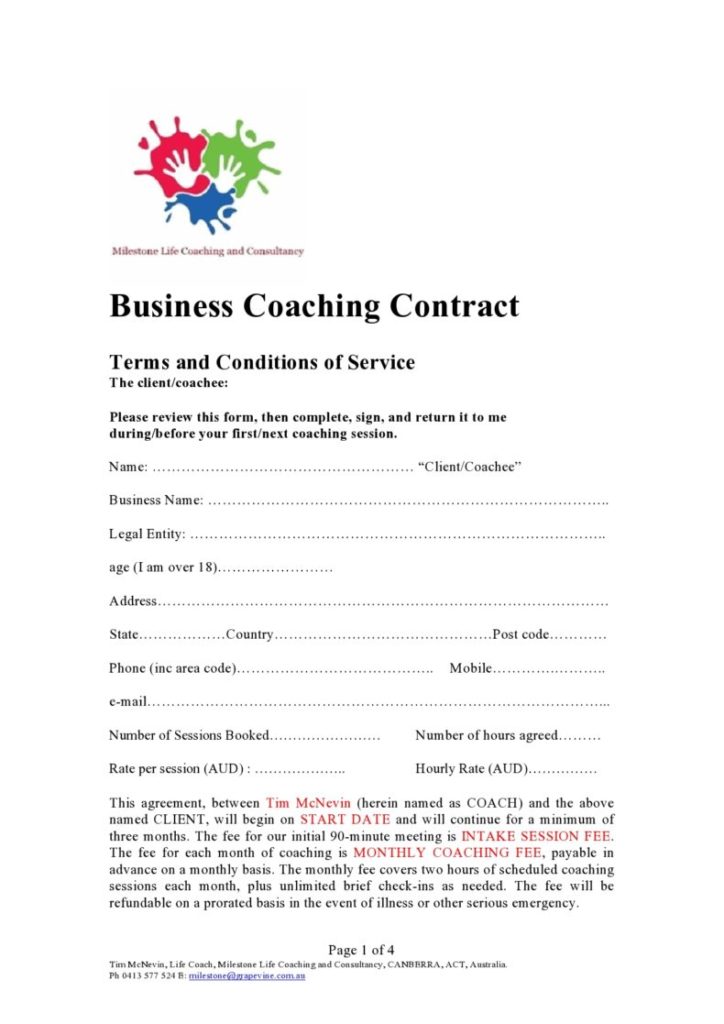
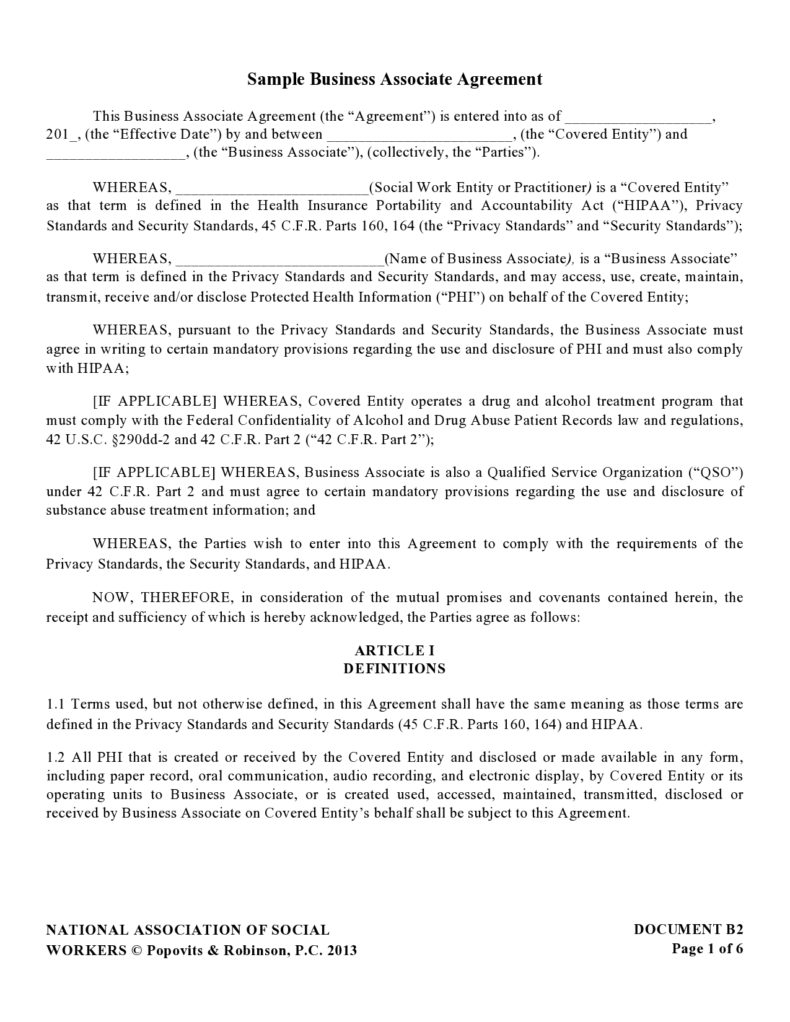
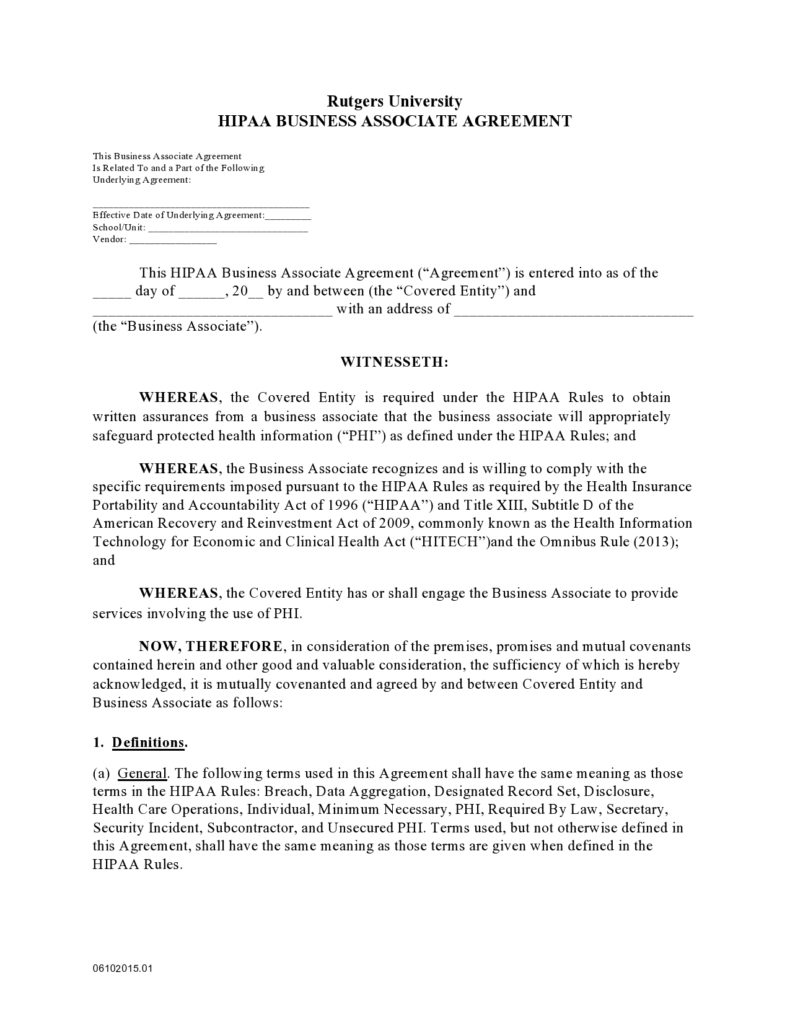
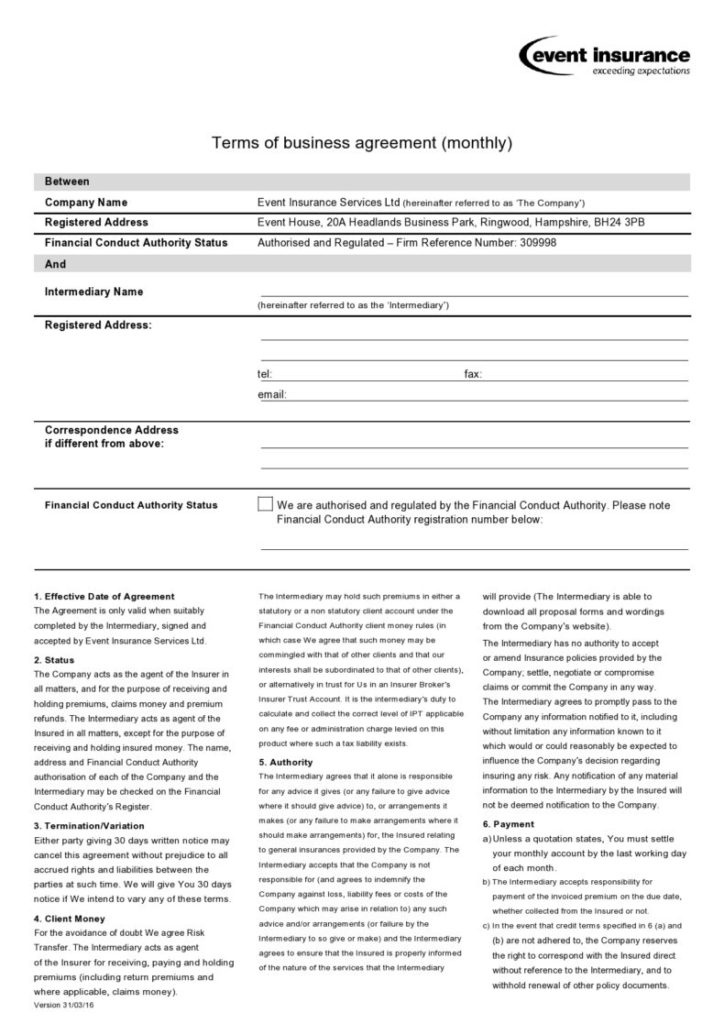
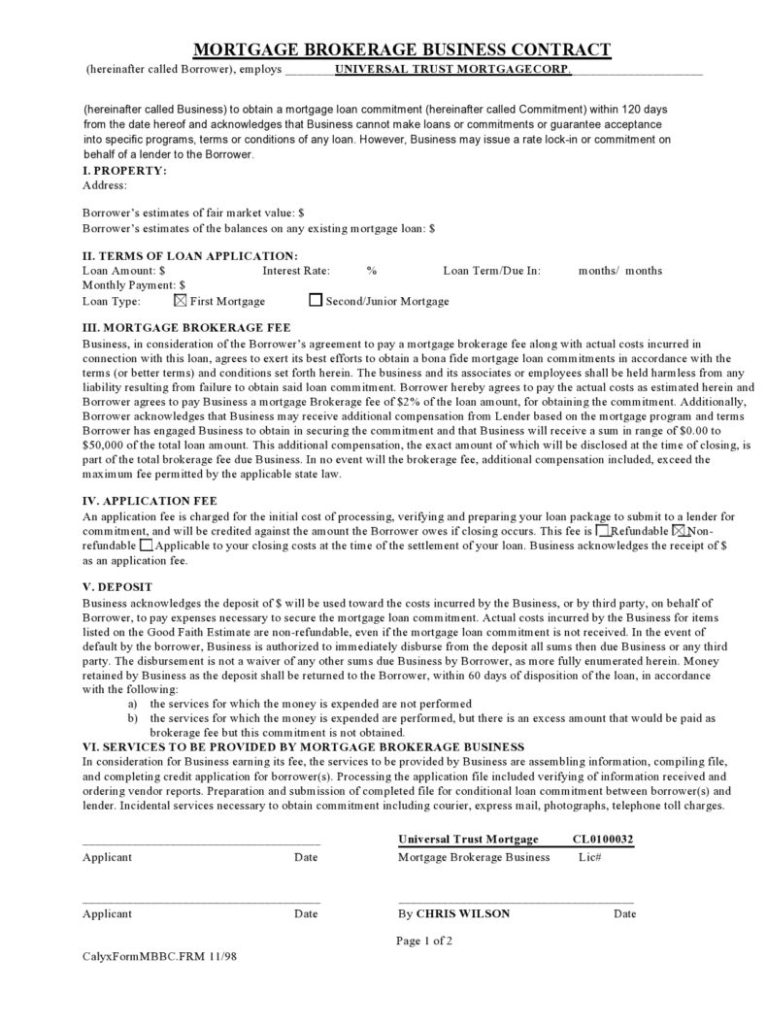
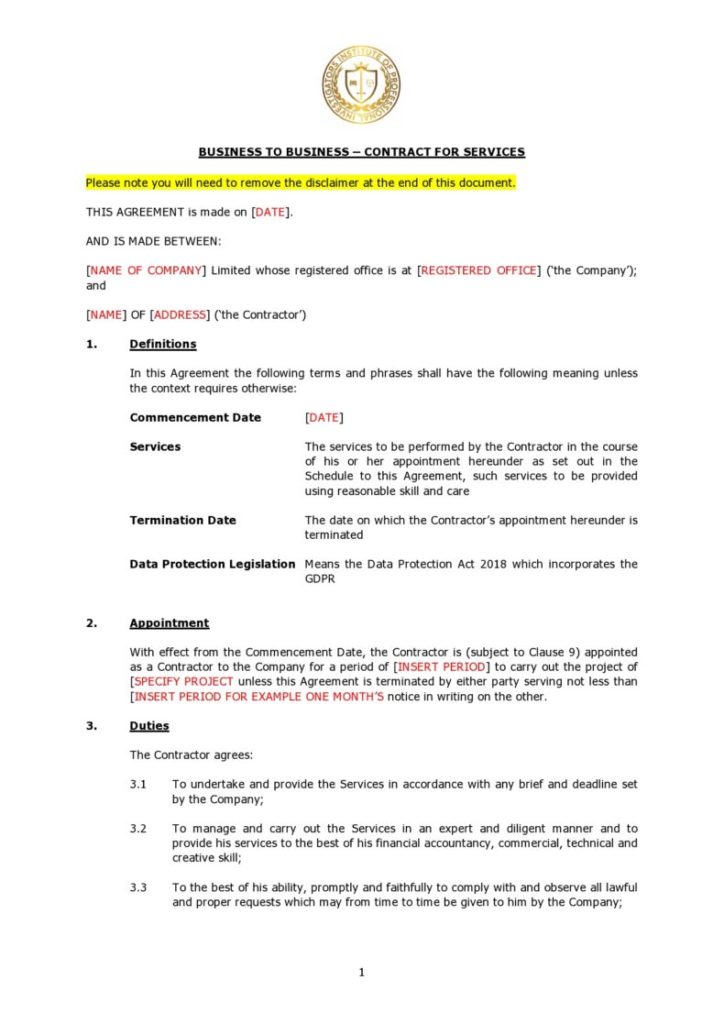
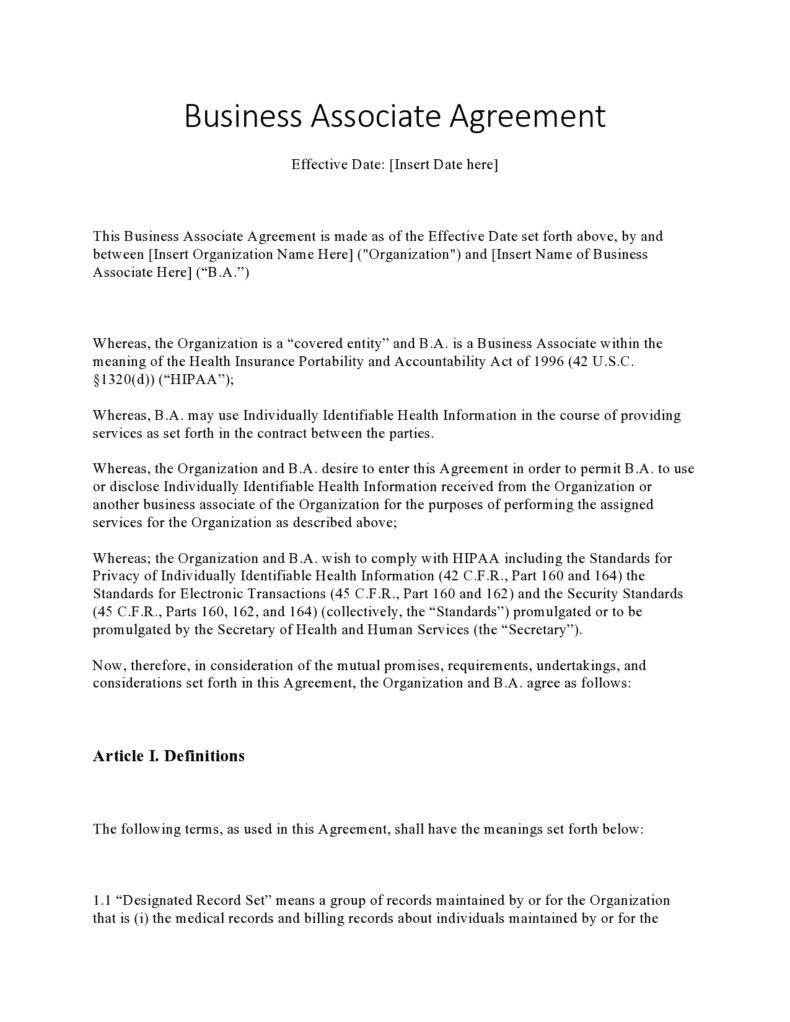
The templates below provide examples of common contract formats. Use the download links provided with each template and customize the document for your specific needs. Keep the original template files and completed agreements in your records.

How to Choose the Right Contract Template
A general contract agreement works best when the transaction does not require a more specialized structure. If the deal is specifically a loan, lease, construction project, partnership, sale, consulting engagement, or another specialized relationship, starting with the matching template can surface issues that a general agreement may overlook. The goal is not to choose the longest document but the one that reflects the actual transaction.
Example: Build the Contract From the Deal
Begin with five facts: the parties, what is being exchanged, price or consideration, timing, and the standard for satisfactory performance. Then add risk-specific provisions such as confidentiality, intellectual property, warranties, insurance, cancellation, or dispute resolution only where they matter. This produces a more coherent agreement than copying unrelated clauses from several documents.
Common Mistakes to Avoid
Do not assume a signature fixes unclear terms. Check defined terms, dates, cross-references, attachments, and blanks. Avoid conflicting provisions created by combining templates. If the agreement concerns regulated, high-value, property, employment, investment, or jurisdiction-specific matters, obtain appropriate professional review.
Frequently Asked Questions
Do I need a written contract for a small job?
A written agreement is usually preferable because it records the scope, price, deadline, and responsibilities in one place.
What makes a contract enforceable?
Requirements vary by jurisdiction and contract type. Relevant factors can include agreement, legal capacity, lawful purpose, consideration or another required exchange of value, and required formalities.
Can a contract be changed after signing?
Usually, changes should be documented in a written amendment or other method permitted by the original agreement and applicable law.
What is a breach of contract?
A breach generally occurs when a party fails to perform an obligation required by the agreement. The available remedies depend on the contract and applicable law.
Are free contract templates legally binding by themselves?
No. A template is a drafting starting point. The completed agreement must satisfy the requirements applicable to the transaction and the parties, and important terms should be reviewed carefully before signing.
Can I use one contract template for every situation?
No. A service contract, lease, purchase agreement, partnership agreement, and confidentiality agreement have different purposes and risks. Choose a template that matches the transaction and customize it appropriately.
8+ Free Contract Agreement: Practical Review Checklist
Before using or signing this document, review every blank field and clause against the actual transaction. Confirm the legal names of the parties, dates, payment or consideration, responsibilities, deadlines, approval requirements, termination rights, and signature details. Remove provisions that do not apply and add any project-specific terms that are important to the arrangement.
Customize the Agreement for the Actual Situation
A downloadable contract sample is most useful as a drafting starting point. Avoid leaving generic wording unchanged when the real arrangement has different deliverables, payment milestones, notice periods, ownership rights, or risk allocation. Attach schedules, specifications, price lists, or other supporting documents when they form part of the agreement.
Final Checks Before Signing
- Check names, addresses, dates, amounts, and defined terms for consistency.
- Make sure responsibilities and deliverables are specific enough to understand and verify.
- Confirm payment dates, milestones, late-payment terms, and any deposits.
- Review renewal, cancellation, breach, notice, and termination provisions.
- Make sure all referenced exhibits and attachments are included.
- Keep a completed copy signed by all relevant parties.
Legal Disclaimer
These contract agreement templates are provided for general informational and drafting purposes only. They are not legal advice and do not guarantee enforceability or compliance with the laws of your jurisdiction. Review and customize any template for the specific transaction, and consult a qualified attorney when appropriate.